Public transportation in Tokyo
According to the translation service Immena, Tokyo is one of the most populous cities in the world. This metropolis is more than five thousand square miles. Fortunately, sightseeing in Tokyo is easy and its public transportation system is efficient, reliable, clean and generally safe. The most widely used means of public transportation in Tokyo are trains and subways. Here’s a look at Tokyo’s public transportation system:
Tokyo Rail Network
Tokyo’s extensive rail network includes Japan Railways (JR), a subway system, and private passenger trains that run in all directions. The main transit points of these networks include Tokyo stations, شیناگاوا ، شیبویا ، شینجوکو ، ایکبوکورو And Oeno It becomes. Trains run on time and are clean and pleasant inside, but they get very crowded during rush hour.

Train line یامانوته
Line یامانوته (Yamanote Line) where the station originates شیناگاوا Is the busiest and most important railway line in Tokyo. The route has 29 stations and is all within the Tokyo Special Zones. There are no high-speed trains on this route, and trains stop at all stations.

Subway
In the Japanese capital, there are two completely separate transportation systems, including the subway and Toei. The Tokyo subway system is so precise that trains arrive at the station in less than five minutes. The Tokyo Metro opened in 1920 and is one of only two high-speed transportation systems owned by the City of Tokyo, with 9 lines, 168 stations and 203.4 km. This is another transportation system of the city, which was opened in 1941 and is managed by the Ministry of Roads and Transportation.
Although the Tokyo Metro provides access to the city center and tourist attractions, it is not enough to explore the suburbs alone and access the entire metro area. And lines Toei is provided for individuals.
Ticket machines and announcements of metro stations in Tokyo are available in both English and Japanese. If a person is not fluent in English, he / she can travel without knowing the name of the station and only by special numbered and coded colors.
Also, if the passenger can not read the desired station in Japanese or English from the signs and maps, he can easily find the exact number of the station by finding the red line. Another feature of the Tokyo subway is the presence of a braille line on the railings, which helps blind people at many stations.
Public transport cards
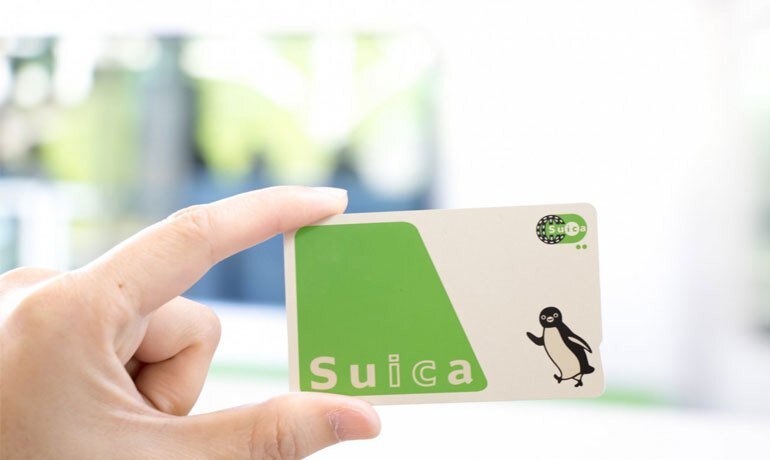
Suica and Pasmo cards, commonly referred to as IC cards, are used for all trains, subways and city buses. These cards can be obtained from Touch Tickets in Tokyo. Most shipping cards have English language options and are interchangeable. One of the advantages of using this card is that you can return it after the end of your trip and get back the amount you paid for your card. Individuals can obtain a PASMO card from Haneda and Narita airports as well as all privately operated railway stations.
Bus
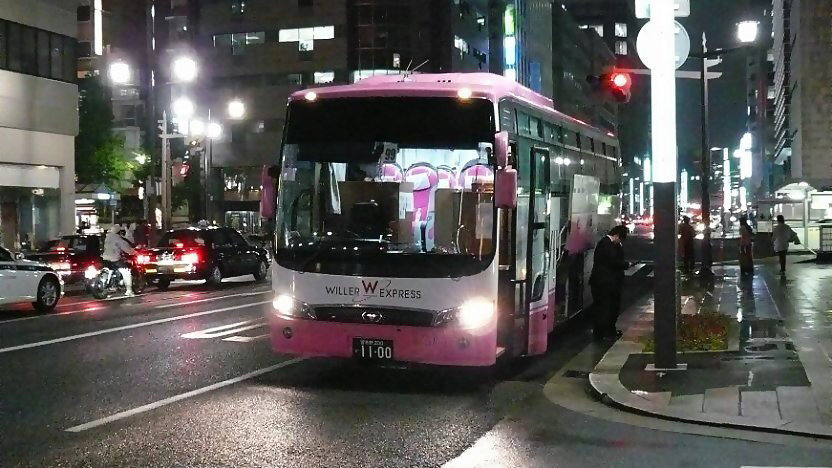
Japan’s public transportation system has two types of local buses and highways. Local buses are used for short distances, and highway buses are used for longer distances. In cities like Tokyo and Osaka with extensive rail transportation, local buses are an alternative means of transportation for trains and subways, but in cities like Tokyo, where the rail network is less crowded, buses are a must. .
Highway buses are a cheap alternative to trains. If you plan to travel longer distances and cost less than trains (especially high-speed trains) السیر) Highway buses would be a great option.
Bike
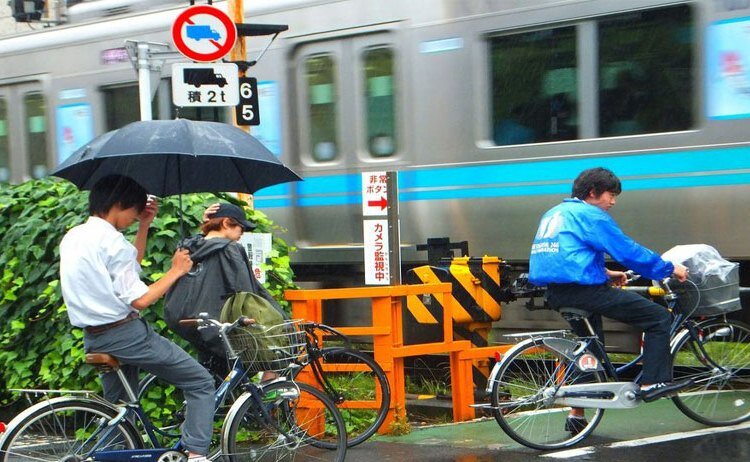
Despite the advancement of technology, Japanese people are still accustomed to cycling, and there are many cyclists in metropolitan areas such as Tokyo. Tourists can go to bicycle rental stations and rent a bicycle for sightseeing in Japan, which is present in most of the tourist attractions of these stations. To rent a bicycle, people can use the service that branches in some hotels and shops.
There are also a number of shared bikes in some areas, such as the bay area, with which tourists can ride in large areas such as Shin-Kiba, Daiba and Yumenoshima Green Park. Cyclists do not need their vehicle to the primary station after work and can park the bike at the nearest shared bike station.
It is important to note that when cycling in Tokyo, people must follow the rules of cycling, move left slowly and always, and wear a helmet.

Comments
Post a Comment